
Long-Term Septic Maintenance Strategies for Homes in Wake County, NC
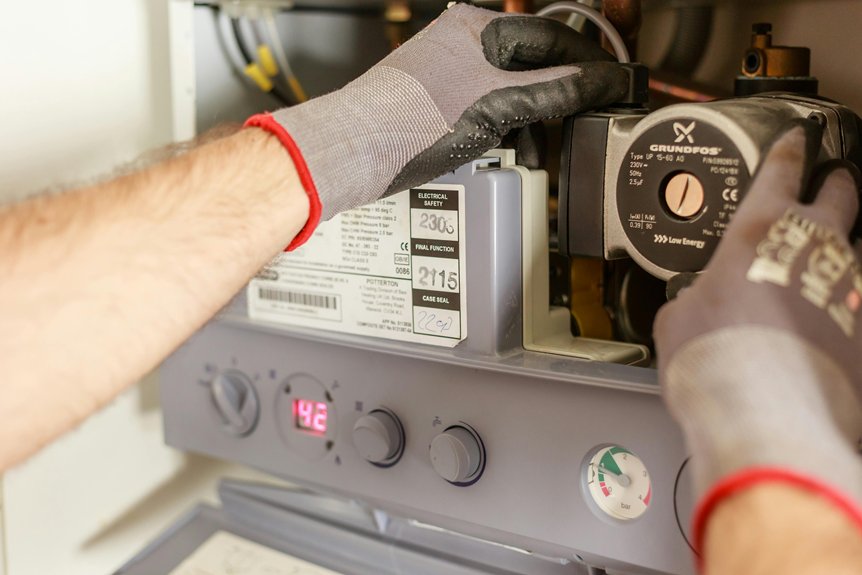
To guarantee your septic system lasts long in Wake County, regularly schedule inspections and pumping every 3 to 5 years. Avoid flushing non-biodegradable items and minimize water use with efficient fixtures. Keep the drainfield clear of roots and heavy objects, and monitor for odors or slow drains. Proper maintenance, awareness of local regulations, and using suitable components help prevent costly failures. Continue exploring how to protect your system in Wake County’s unique environment.
How Wake County Soil and Climate Affect Your Septic System
Wake County’s soil and climate play a significant role in how well your septic system functions. Soil permeability, or how easily liquids pass through the soil, directly impacts wastewater absorption. Sandy soils with high permeability drain quickly but may require additional treatment. Clay soils with low permeability can cause backups if not properly managed. Climate variability also affects your system’s performance; periods of heavy rain can lead to saturation, reducing soil’s ability to filter effluent and increasing the risk of system failure. Proper maintenance techniques are essential for adapting to these environmental factors and ensuring your septic system operates reliably over the long term. Drought conditions, on the other hand, can cause soil to dry out and crack, affecting absorption. Understanding these factors helps you anticipate potential issues and schedule regular maintenance to keep your septic system operating efficiently in Wake County’s unique soil and climate conditions.
How to Choose Septic System Components Suitable for Wake County
Choosing the right septic system components for Wake County requires considering local soil conditions and climate patterns to guarantee ideal performance. Start with septic system design that matches your property’s specific needs, such as soil permeability and water table levels.
Ensure component compatibility by selecting materials that withstand the region’s humidity and temperature fluctuations. Use durable pipes, filters, and pumps suitable for Wake County’s environment to prevent failures and reduce maintenance costs.
Consult with local professionals who understand the area’s soil makeup and climate challenges. Properly matched components optimize system efficiency, longevity, and compliance with local regulations.
Making informed choices about septic system design and compatibility safeguards your investment and guarantees long-term, trouble-free operation.
When and How to Inspect and Pump Your Septic Tank
Regular inspections and pumping are essential to keep your septic system functioning properly and prevent costly failures. To maintain healthy septic tank bacteria, it’s important to monitor your system’s condition regularly.
Typically, pumping frequency depends on household size and tank capacity, but most homes in Wake County should have their tank pumped every 3 to 5 years. During inspections, a professional will check for solids buildup, leaks, and overall system health.
Pumping removes accumulated sludge that can hinder septic tank bacteria from breaking down waste effectively. If you notice slow drains or odors, schedule an inspection sooner.
Proper timing of inspections and pumping ensures your septic system remains efficient, extends its lifespan, and avoids the expense of repairs caused by neglect.
Waste Disposal Tips to Protect Your Septic System
To keep your septic system functioning smoothly, it’s vital to practice proper waste disposal habits. Avoid flushing non-biodegradable items like wipes, feminine products, or chemicals, as they can clog your system and cause septic tank odors.
Use waste disposal methods that minimize solids entering the tank, such as composting organic waste and avoiding grease or harsh chemicals.
Be mindful of what you flush; only human waste and toilet paper should go down the drain.
Regularly inspect your system for signs of trouble and schedule professional pumping as needed.
Proper waste disposal reduces strain on your septic tank, prevents odors, and extends its lifespan.
How to Maintain Drainfield Health With Proper Landscaping and Water Use
Maintaining the health of your drainfield relies heavily on proper landscaping and water management practices. Start with landscaping design that avoids planting trees or shrubs with invasive roots near the drainfield, as roots can clog or damage the system.
Keep grass or low-maintenance plants over the area to prevent soil erosion and allow proper airflow. Practice water conservation by spreading out laundry loads and fixing leaks to reduce overall water use. Using water-efficient fixtures minimizes excess water that can overwhelm the drainfield.
Additionally, avoid parking or placing heavy objects on the drainfield to prevent soil compaction, which hampers absorption. By thoughtfully managing landscaping and water use, you help ensure your septic system functions efficiently and lasts longer.
How to Monitor Your Septic System’s Performance and Spot Early Problems
Keeping a close eye on your septic system’s performance is essential to catch problems early before they become costly repairs. Regularly check for septic system alerts, such as foul odors, slow drains, or standing water near the drainfield. These early warning signs often indicate a backup or system failure.
Listen for gurgling sounds in your plumbing, which can signal blockages or issues with the septic tank. Keep an eye on water usage habits; excessive water can overwhelm the system and cause early malfunctions.
Routine inspections and maintenance, like tank pumping and filter checks, help you identify potential problems before they escalate. Being proactive guarantees your septic system operates efficiently, saving you money and avoiding inconvenient failures.
Seasonal Septic Maintenance Tips for Wake County Homeowners
As seasons change in Wake County, adjusting your septic maintenance routine helps prevent issues caused by environmental shifts. Conduct seasonal inspections to identify potential problems early, such as clogs or leaks, especially after heavy rains or winter freezes.
Incorporate maintenance scheduling into your routine to ensure your system stays in top shape year-round. In spring, check for any damage caused by winter and clear debris from around the drain field.
Summer may require inspecting for odors or slow drains due to increased water use. Fall is ideal for preparing your system for winter by inspecting the tank and ensuring proper runoff.
Staying proactive with seasonal inspections and proper maintenance scheduling minimizes the risk of costly repairs and keeps your septic system functioning efficiently.
When Should You Call a Professional for Septic Service in Wake County?
Knowing when to call a professional for septic service can save you from costly repairs and health hazards. If you notice persistent septic tank odors around your property, it’s time to seek expert help. These odors often indicate a problem that requires immediate attention.
Additionally, sticking to a regular pumping schedule is vital; if it’s been more than three to five years since your last pump, a professional inspection is needed to prevent backups or system failure.
Call a septic specialist if you experience slow drains, gurgling sounds, or sewage backups. Addressing these issues early can extend your system’s lifespan and keep your home safe.
Don’t wait until problems worsen—timely professional service ensures your septic system functions properly for years to come.
How to Extend Your Septic System’s Lifespan and Save Money
Regular septic system maintenance not only prevents costly repairs but also extends the lifespan of your system. To achieve this, consider septic system upgrades that improve efficiency and reduce strain. Installing an effluent filter or a riser can make inspections and maintenance easier, saving you time and money.
Practicing DIY maintenance, like regular pump checks and avoiding harsh chemicals, helps keep your system running smoothly. Be mindful of what you flush; avoid grease, wipes, and non-biodegradable items.
Schedule routine inspections with a professional to catch issues early. Proper maintenance and upgrades reduce the risk of backups and repairs, ultimately saving you money and prolonging your system’s life.
Staying proactive is key to a reliable, long-lasting septic system in Wake County.
Staying Informed: Local Regulations and Best Practices for Septic Maintenance
Staying informed about local regulations and best practices is essential for maintaining a healthy septic system and avoiding fines or violations. Wake County’s local regulations specify inspection schedules, pumping requirements, and system upgrades you must follow. By knowing these rules, you can prevent costly repairs and ensure compliance.
Adopting best practices, like conserving water, avoiding harsh chemicals, and scheduling regular inspections, helps your system function efficiently. Keep up with updates from local health departments or septic service providers to stay current.
Being proactive in understanding regulations and implementing best practices minimizes risks and prolongs your septic system’s lifespan. Regular communication with professionals also ensures your system remains compliant and operating at peak performance.
Staying informed is your best defense against unexpected issues.
Conclusion
Maintaining your septic system in Wake County is essential for its reliability and longevity. Regular inspections, proper waste disposal, and mindful water use are key components of long-term septic health. To schedule your appointment with David Brantley and Sons Septic, call us today at (252) 478-3721 or visit us online at David Brantley and Sons. Stay informed about local regulations and keep up with seasonal maintenance. When in doubt, don’t hesitate to contact a professional. By taking these steps, you’ll protect your investment, save money, and enjoy a healthy, trouble-free septic system for years to come.