
Proper Sizing for Septic Tank Installation in Garner, NC
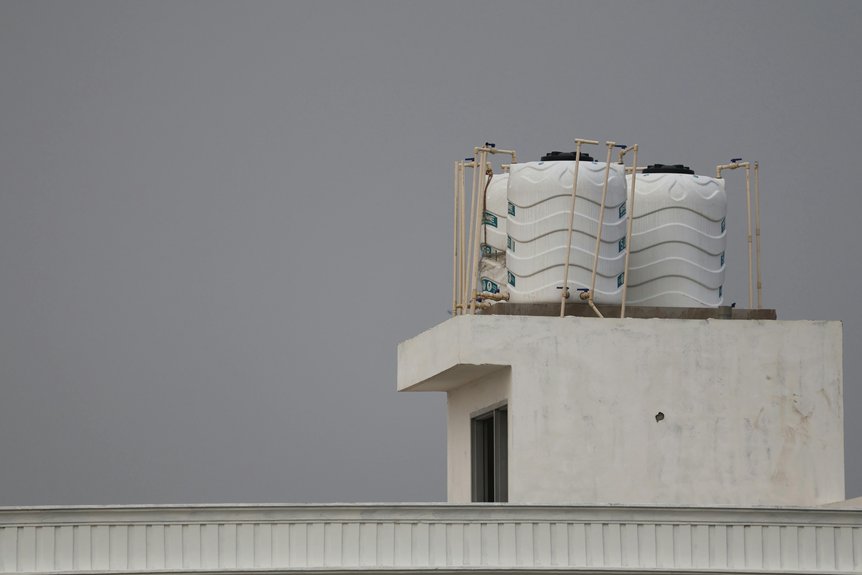
To properly size your septic tank in Garner, NC, you need to take into account your household size and water usage, typically estimating around 70 gallons per person per day. Local regulations specify minimum tank capacities based on these factors, and professional assessments can guarantee your system is effective and compliant. Avoid common mistakes like choosing too small or oversized tanks. Keep your system well-maintained for long-lasting performance—continuing with this guidance will help you make informed choices.
Why Proper Septic Tank Sizing Is Critical for Garner Homes
Proper septic tank sizing is vital for Garner homes because it guarantees your system can handle the household’s wastewater effectively. Choosing the right septic tank materials, such as concrete, fiberglass, or plastic, impacts durability and installation ease.
The installation methods also matter; they guarantee your tank is positioned correctly to prevent leaks and backups. An undersized tank won’t accommodate your household’s waste, leading to frequent backups and costly repairs. Conversely, an oversized tank can be unnecessarily expensive and inefficient.
Proper sizing ensures your system operates smoothly, reduces maintenance needs, and extends its lifespan. It’s important to consider both septic tank materials and installation methods during planning to create a reliable, long-lasting solution tailored to your Garner home’s needs.
What Garner Regulations Say About Septic Tank Sizes
Garner’s local regulations specify clear guidelines for septic tank sizes to guarantee systems function correctly and protect public health. These rules outline minimum tank capacities based on household size and wastewater output.
Septic tank materials, such as concrete, polyethylene, or fiberglass, must meet state standards to assure durability and safety. Before installation, you’ll need to obtain permits and approvals from local authorities, demonstrating your system complies with size and material requirements.
Garner’s regulations also specify setbacks from property lines, wells, and water bodies to prevent contamination. Ensuring your septic tank meets these regulations is essential for legal compliance and long-term performance.
Failing to adhere to these guidelines can result in fines, system failure, or costly modifications later on.
How to Calculate Your Household’s Wastewater Volume
Calculating your household’s wastewater volume is an essential step in determining the right septic tank size. To do this, estimate your daily water use based on family size and typical habits.
Consider average water consumption per person, usually around 70 gallons per day, and multiply by the number of people in your household. This gives you your daily wastewater flow.
Keep in mind that septic tank materials, like concrete or fiberglass, impact installation costs and durability, but the volume calculation remains the same.
Once you know your daily flow, multiply it by the number of days your system needs to hold wastewater between pumpings—typically 2-3 days.
This total guides you in selecting a septic tank that efficiently manages your household’s wastewater, ensuring longevity and proper function.
How Water Usage and Family Size Impact Septic Tank Needs
Your household’s water usage and family size directly influence the size of septic tank you need. Larger families generate more wastewater, requiring a bigger tank to prevent overflows and ensure proper treatment.
If you practice greywater recycling, you can reduce the amount of wastewater entering the system, potentially allowing for a smaller tank or alternative disposal methods.
Conversely, high water usage from multiple bathrooms, laundry, or irrigation increases demand on your septic system. Knowing your household’s water habits helps determine the appropriate tank capacity.
Consider future family growth or changes in water consumption when planning. Proper sizing prevents system failure and prolongs lifespan.
Choosing the Right Septic Tank Capacity for Your Home
Choosing the right septic tank capacity is essential to guarantee your system can handle your household’s wastewater comfortably. When selecting a tank, consider septic tank materials like concrete, fiberglass, or polyethylene, which influence durability and maintenance costs.
Larger tanks reduce the risk of clogs and backups but may increase installation costs. Smaller tanks are more affordable but might require more frequent pumping, especially for larger families.
Assess your household’s water usage and future needs to determine the appropriate size. Proper sizing ensures efficient operation and helps avoid costly repairs or system failure.
Soil Types and Drainfield Design: What You Need to Know
Understanding the soil types on your property is key to designing an effective drainfield that works with your septic system. Soil composition influences how well the drainfield can filter and absorb wastewater.
For example, sandy soils drain quickly, while clay soils retain water longer, affecting how you should lay out the drainfield. You need to take into account soil permeability and drainage capacity when planning your drainfield layout to prevent backups or failures.
Conducting a soil test helps determine these factors, guiding you to the right design. A proper drainfield layout ensures wastewater disperses evenly and safely, reducing the risk of contamination.
Common Mistakes in Septic Tank Sizing and How to Avoid Them
One of the most common mistakes in septic tank sizing is underestimating the system’s capacity, which can cause frequent backups, system failure, and expensive repairs. To avoid this, don’t overlook how septic tank materials and household size impact the needed capacity.
Using an undersized tank won’t give your wastewater enough space to settle, leading to clogging and leaks. Additionally, relying solely on standard septic tanks may not suit properties with high water usage or poor soil conditions.
In such cases, consider alternative wastewater solutions to supplement or replace traditional systems. Properly sizing your septic tank means accounting for daily water use, tank materials, and site conditions, ensuring long-term functionality and avoiding costly mistakes.
Proper planning now saves you from future headaches.
When to Consult Garner Septic System Experts
Knowing when to call Garner septic system experts can save you time, money, and headaches. If you’re unsure about the septic tank materials or the installation procedures, it’s time to seek professional help.
Experts can evaluate whether your system is properly sized and installed according to local codes. If you’re considering a new installation or suspect issues with your current setup, professional consultation ensures everything meets safety standards.
They can advise on the best materials for durability and performance, and handle complex installation procedures efficiently.
Additionally, if you’re experiencing recurring problems like backups or odors, reaching out to specialists early can prevent costly repairs.
Trusting Garner septic system experts guarantees your system is properly designed, installed, and ready to serve your needs reliably.
Maintenance Tips for a Long-Lasting, Properly Sized Septic System
To guarantee your septic system stays functioning properly and lasts for years, regular maintenance is essential. You should schedule routine tank inspections to catch potential issues early and ensure everything is working correctly. During inspections, a professional can check for signs of leaks, sediment buildup, or damage that could compromise your system’s efficiency.
Pump maintenance is equally important; ensure your pump operates smoothly by having it inspected and serviced as needed. Properly maintaining your septic system prevents backups, extends its lifespan, and keeps it properly sized for your needs.
Avoid overloading the tank or flushing inappropriate materials, which can cause costly repairs. Staying proactive with tank inspections and pump maintenance helps you avoid emergencies and keeps your system running reliably for years to come.
Next Steps: Ensuring Your Septic System Performs Well Long-Term
Ensuring your septic system performs well over the long term requires proactive steps beyond routine maintenance. Regular inspections and prompt repairs help extend your septic system lifespan and prevent costly issues.
Consider scheduling professional evaluations every few years to identify potential problems early, such as clogs or leaks, that could compromise wastewater treatment efficiency. Properly managing what you flush and avoiding harsh chemicals also protect the system’s integrity.
Upgrading components or pumping the tank when necessary keeps everything functioning at its best. By taking these steps, you ensure your septic system maintains effective wastewater treatment, reduces the risk of system failure, and prolongs its lifespan.
Staying proactive in maintenance and monitoring is key to long-term performance and peace of mind.
Conclusion
Properly sizing your septic tank in Garner guarantees reliable performance and avoids costly issues down the road. By understanding local regulations, accurately calculating your household’s wastewater needs, and consulting experts when needed, you set your system up for long-term success. Regular maintenance also plays a key role. To schedule your appointment with David Brantley and Sons Septic, call us today at (252) 478-3721 or visit us online at David Brantley and Sons. Take these steps seriously, and you’ll enjoy a smoothly functioning septic system that keeps your home comfortable and compliant for years to come.